



AI Kitchen Management System
Challenge
- Waste that accumulated shift by shift with no source data to trace it back to root causes
- Hold window violations caught at the pass — not before — leading to inconsistent product quality
- Stockout events that left guests waiting and eroded customer satisfaction, with no predictive system to prevent them
Solution
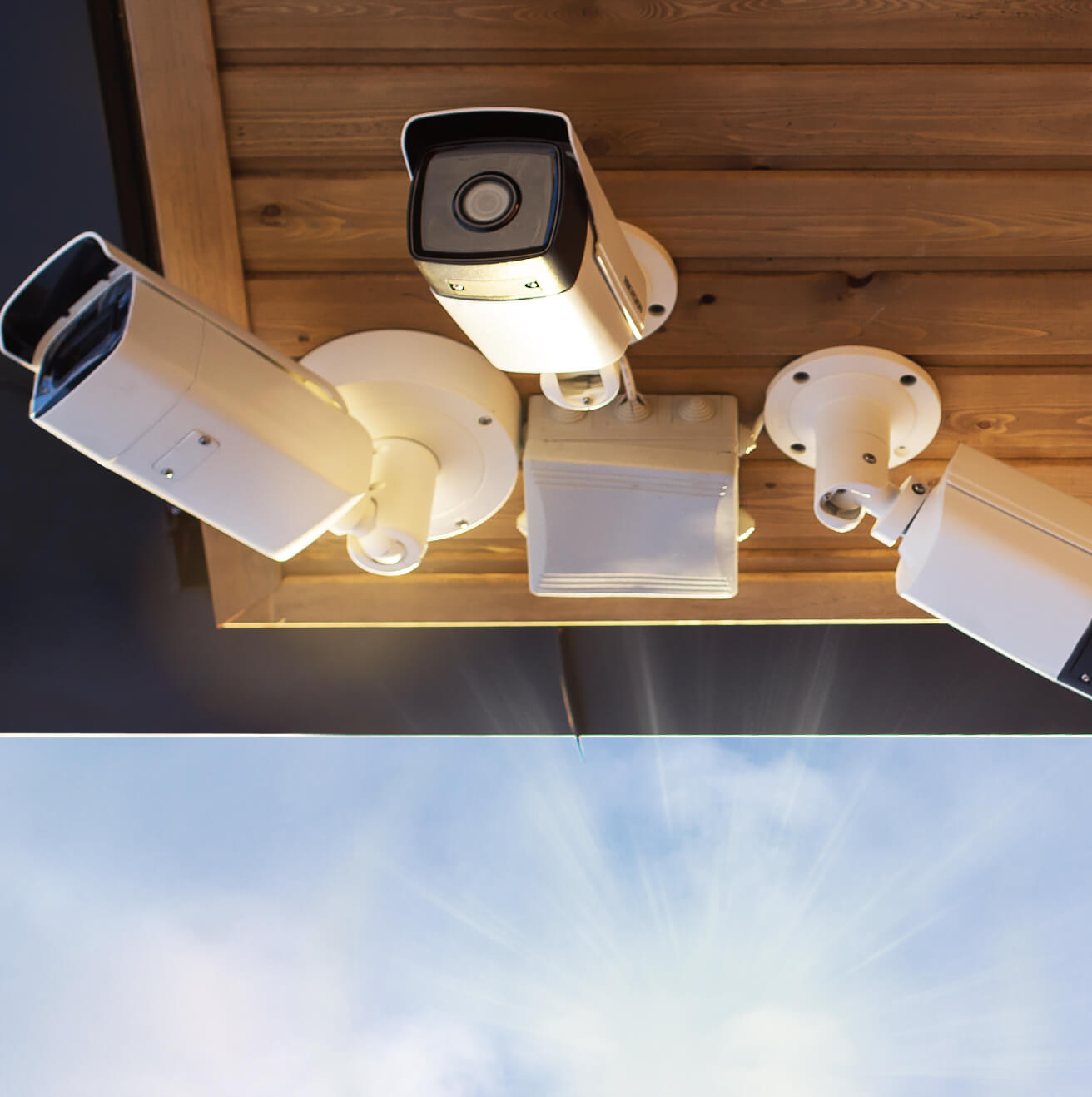
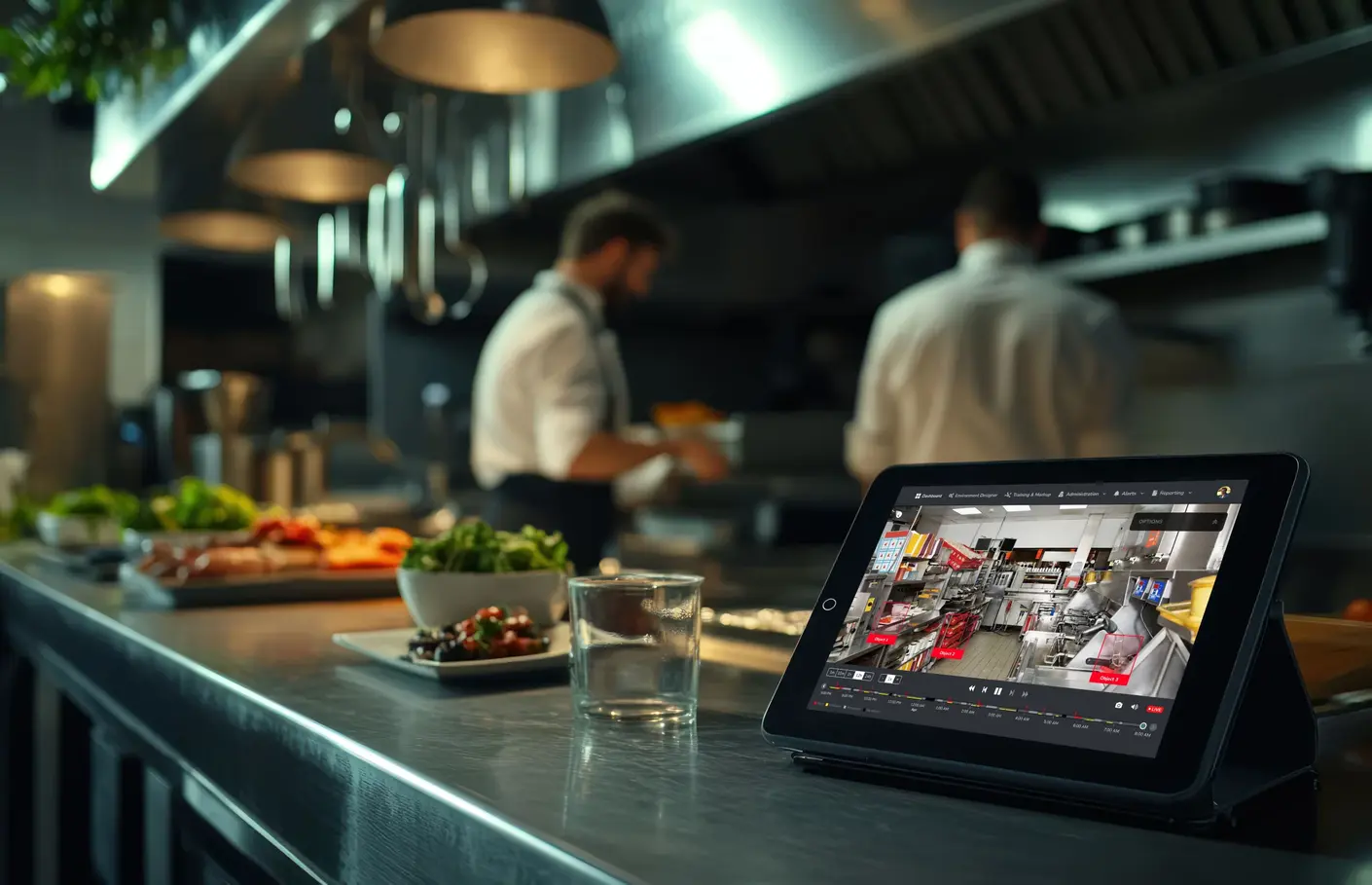
Softarex designed and deployed an AI Kitchen Management System that captures the operational data a POS never sees — what was prepped, how long it sat, what got discarded, and whether the order was assembled correctly. The platform runs on-premise at each location (NVIDIA Jetson edge devices, cameras, a custom KDS tablet app) with a cloud layer for cross-location analytics. No video data leaves the restaurant.
Real-time hot-holding monitoring. Cameras above hot-holding stations detect and classify finished products — fillets, strips, nuggets, salads — tracking each container's type, quantity, and time in hold. When a product nears its hold window limit, an alert fires to the KDS before violation. When a container is pulled and detected empty elsewhere, its contents are logged as waste automatically.
Waste, stockout & hold time tracking. The system monitors the three metrics that define QSR kitchen economics: waste (finished product discarded, logged automatically via container monitoring), stockout (demand exceeding supply, predicted proactively from historical data and live transactions), and hold time (duration each product sits before serving, with violations flagged before they reach the guest).
Demand forecasting & production scheduling. The forecasting module trains on each location's POS history to predict demand by item and daypart — accounting for day-of-week patterns, seasonality, and local signals. Catering orders and promotions adjust pars automatically when a manager enters them through a web interface. Forecasts translate into structured production queues on KDS tablets: what to cook, how much, in what order.
Order assembly verification. Computer vision verifies each order at the assembly station before it reaches the guest. The solution uses an automated routing mechanism that classifies each item against live POS tickets — delivering near-100% accuracy and eliminating remakes at the source.
Floor & queue monitoring. Cameras track queue length, table occupancy, and turn timing across the guest area. Cleaning alerts push to floor staff the moment a table is vacated. Arrival notifications fire when a new guest sits down.
Technology Stack
The platform combines four layers:
Computer vision & edge computing. Custom object detection and classification models run on NVIDIA Jetson edge devices — all inference happens locally at the restaurant. 3D cameras estimate product weight at 95% accuracy. Models are trained on client-specific datasets, not generic templates.
IoT & sensors. Weight sensors at prep and holding stations for lower-cost deployments. Temperature sensors at hot-holding and cold storage for continuous compliance. All sensor data feeds directly into forecasting and monitoring models.
Kitchen Display System (KDS). A custom Android application displaying production schedules, hold time alerts, and task recommendations. Centralized MDM handles remote provisioning via QR code, OTA updates, and single-app lock. Runs on standard Android tablets.
POS integration. Transaction data ingested via the client's existing message bus. Catering and promotional events entered through a web interface and factored into demand models automatically. Architecture supports Toast, Oracle MICROS, Lightspeed, Square, and most major platforms.
Project results
- 50–70% Stockout reduction. From 350–540 min/day down to 100–250 min/day at measured locations.
- ~100% Order assembly accuracy via automated verification, eliminating remakes and comp costs.
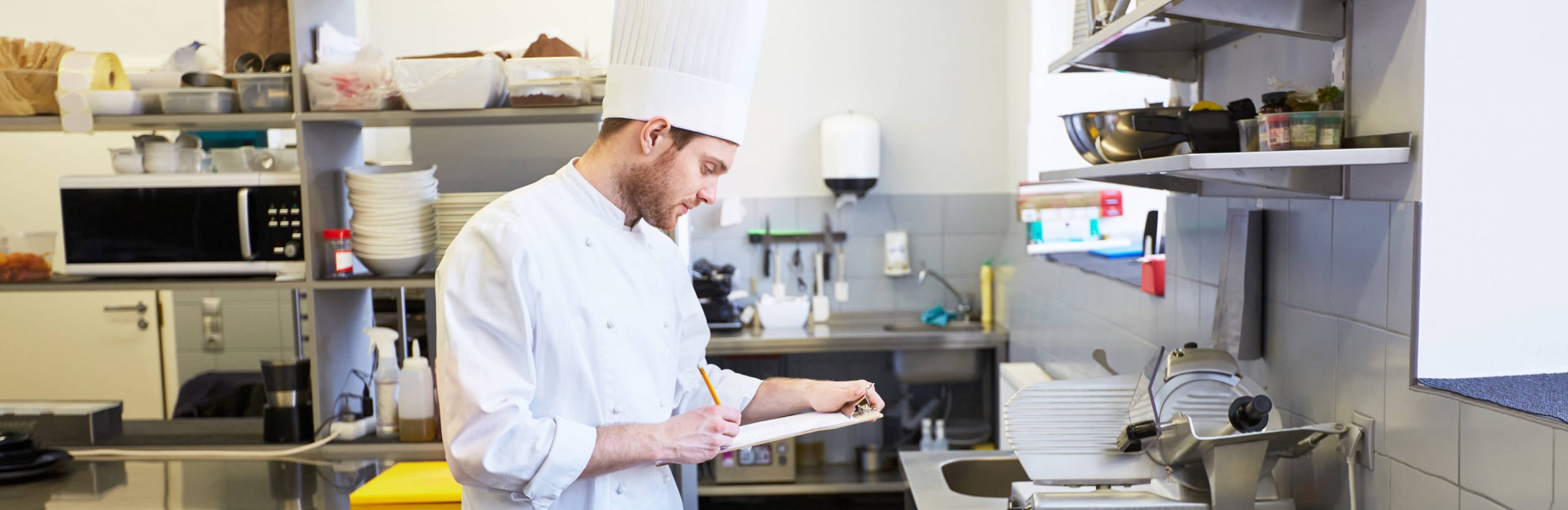
- Fully Automated — End-to-end cooking process monitoring — no manual logging, no clipboard audits.
- 2,000+ Restaurant scalability with centralized management and per-location tuning.
What Sets This Apart
- First-party operational data from cameras and sensors — not aggregated third-party signals
- Models trained on each location's own data — not averaged across other operators
- No kitchen remodel, no equipment replacement
- Flexible architecture: computer vision for large chains, weight sensors for smaller operations