







Reach clinical value faster — with secure platforms built for regulated healthcare environments.
What We Build for Healthcare
Pharmacy Network Integration Platforms
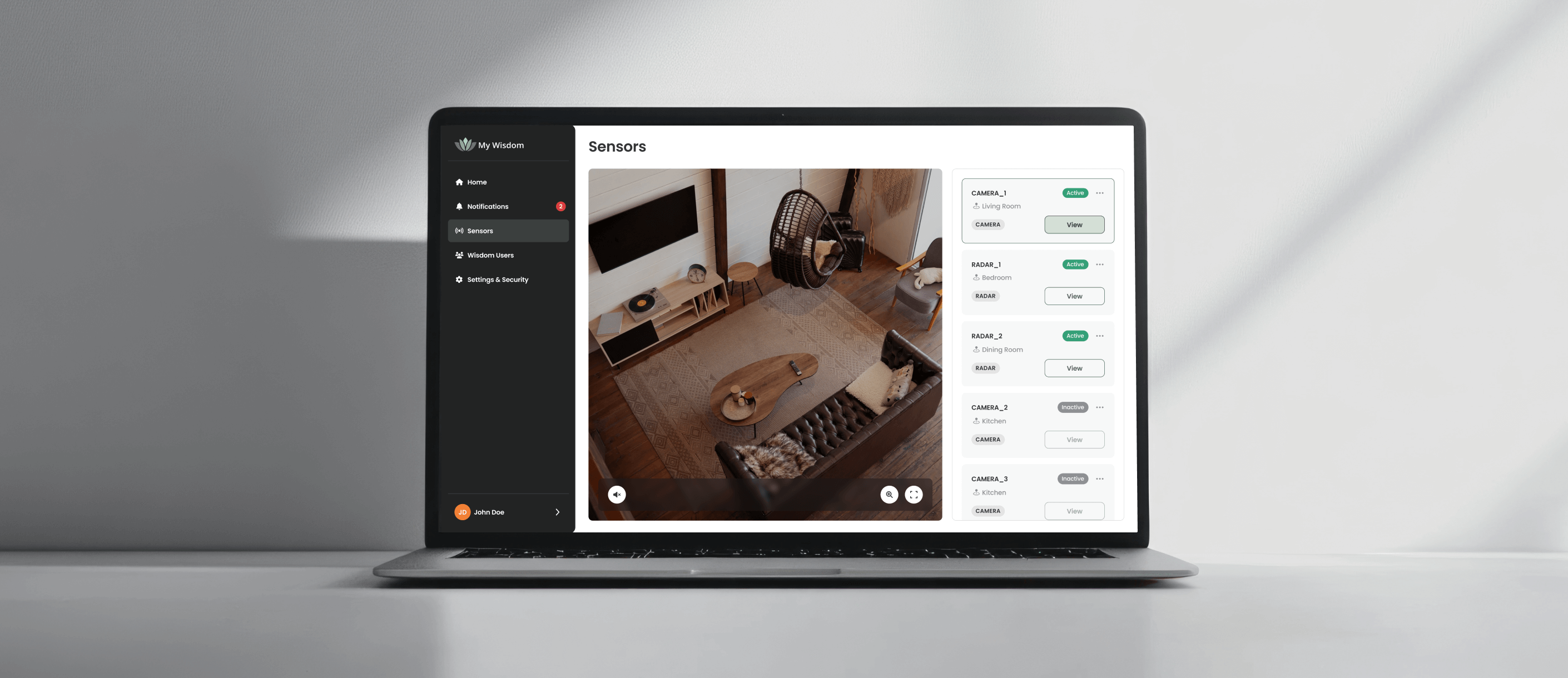
Centralized pharmacy operations that improve medication access and unify distributed networks. Inventory visibility across locations, supplier coordination, prescription workflow automation, and patient access portals — deployed across 100+ UK pharmacies.

Clinical Workflow Automation
Automated clinical tasks integrated directly into existing EHR systems. Imaging review assistance, patient triage, scheduling optimization, documentation automation, and care-path monitoring — reducing manual work and accelerating care delivery.

Medical Computer Vision Systems
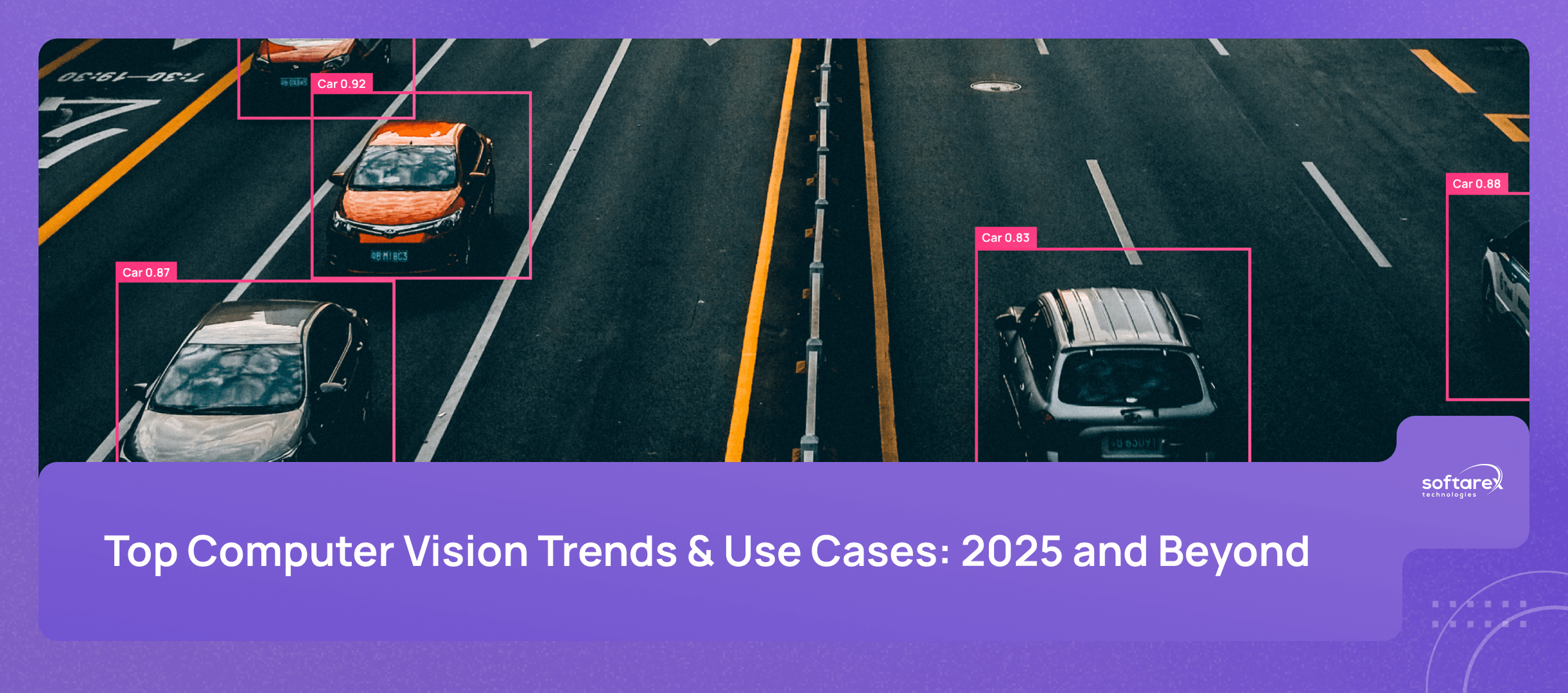
Imaging analysis, procedural monitoring, and patient safety detection deployed in production clinical environments. Covers pharmacy automation, equipment inspection, and surgical oversight — configured around real operational constraints.

Healthcare Data Integration & Interoperability
Unified data flows across EHR systems, pharmacy platforms, supply chains, insurance workflows, and patient portals. Built on HL7 and FHIR standards so clinical data reaches the right system at the right time.
Care Management Solutions
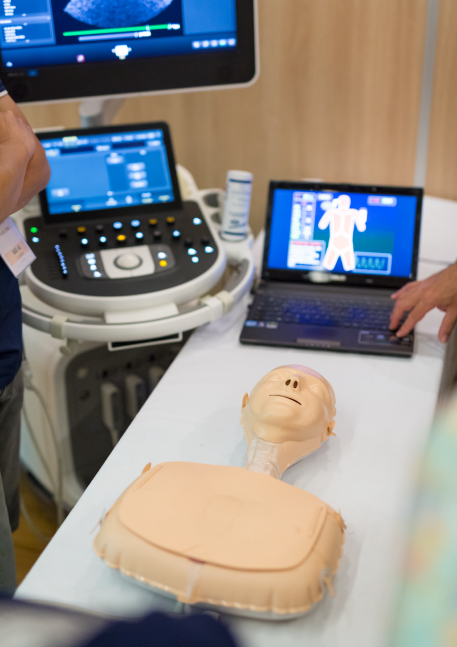
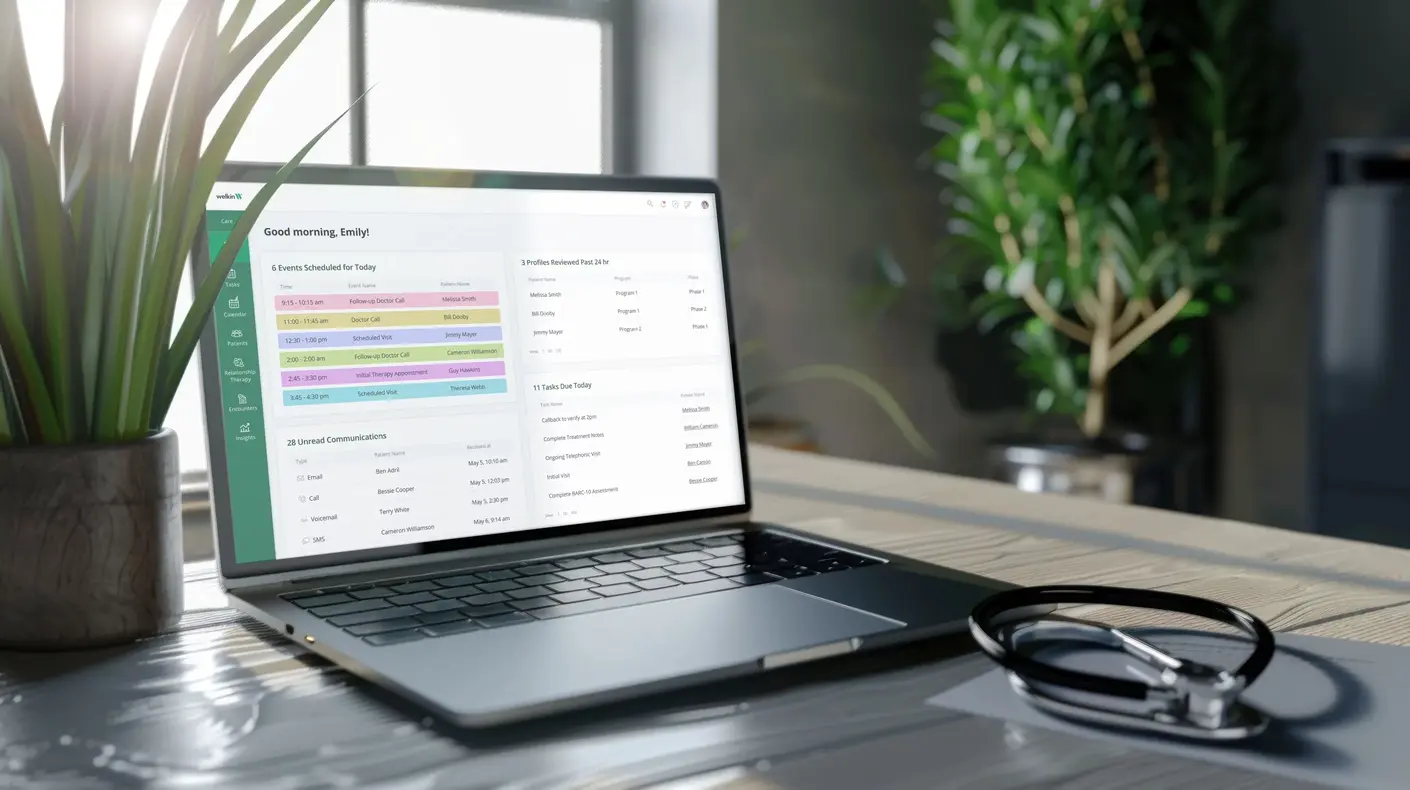
Consolidated patient data — appointments, billing, prescriptions — in one operational view. Reduces administrative errors and improves provider-patient communication without adding workflow complexity.
AI-Powered Value-Based Care
Chronic disease monitoring and treatment recommendations that help clinicians make more informed decisions. Tracks patient progress against care plans and surfaces actionable insights at the point of care.
How we work

Environment Mapping
We start with your clinical and operational reality — EHR systems, pharmacy platforms, data standards, regulatory obligations, and the workflows your staff runs today.

Architecture & Compliance Planning
System design shaped around your infrastructure and regulatory environment. HIPAA, GDPR, and facility-specific requirements built into the architecture — not patched in later.

Clinical Validation
Wireframes and working prototypes reviewed by clinical and business stakeholders before development begins. Workflow, data, and compliance issues caught early.

Scoped Deployment
Live system in a real clinical or operational setting — one department, one facility, one workflow. Measurable results before broader commitment.

Production Rollout
Scaled across departments, locations, or networks with monitoring, access controls, and audit logging active from go-live.

Evolve With the Operation
Platform updated as regulations change, patient populations shift, and new integration needs emerge — without disrupting live clinical workflows.

Ready to Build Healthcare Systems That Actually Deploy?
We'll review your clinical environment, integration requirements, and compliance needs — and deliver an architecture roadmap in 5–10 business days.
Technologies


AI in Healthcare
The intelligence layer across clinical workflows, diagnostics, and operations:
- Diagnostic support tools trained on clinical datasets
- Predictive analytics for patient risk stratification and resource planning
- AI-powered chatbots for provider communication and patient triage
- Chronic disease monitoring and treatment recommendation engines
- Automated documentation and clinical decision support
Computer Vision in Healthcare
Clinical imaging and monitoring at a scale manual review can’t sustain:
- Medical image analysis across radiology and dermatology workflows
- Skin lesion detection and classification
- Telemedicine diagnostics with visual assessment
- Surgical and procedural monitoring
- Patient safety and fall-risk monitoring via camera systems
Robotics in Healthcare
Precision automation built for clinical and rehabilitation settings:
- Surgical precision support systems
- Robotic-assisted rehabilitation programs
- Autonomous therapy and patient interaction robots
- Pharmacy dispensing and handling automation
IoT in Healthcare
Connected devices feeding real-time clinical and operational intelligence:
- Continuous patient monitoring across wards and remote settings
- Real-time medical data processing from connected devices and sensors
- Healthcare workflow automation triggered by device events
- Integration with EHR, pharmacy, and facility management systems
AI in Healthcare
The intelligence layer across clinical workflows, diagnostics, and operations:
- Diagnostic support tools trained on clinical datasets
- Predictive analytics for patient risk stratification and resource planning
- AI-powered chatbots for provider communication and patient triage
- Chronic disease monitoring and treatment recommendation engines
- Automated documentation and clinical decision support
Computer Vision in Healthcare
Clinical imaging and monitoring at a scale manual review can’t sustain:
- Medical image analysis across radiology and dermatology workflows
- Skin lesion detection and classification
- Telemedicine diagnostics with visual assessment
- Surgical and procedural monitoring
- Patient safety and fall-risk monitoring via camera systems
Robotics in Healthcare
Precision automation built for clinical and rehabilitation settings:
- Surgical precision support systems
- Robotic-assisted rehabilitation programs
- Autonomous therapy and patient interaction robots
- Pharmacy dispensing and handling automation
IoT in Healthcare
Connected devices feeding real-time clinical and operational intelligence:
- Continuous patient monitoring across wards and remote settings
- Real-time medical data processing from connected devices and sensors
- Healthcare workflow automation triggered by device events
- Integration with EHR, pharmacy, and facility management systems
Frequently Asked Questions
How do you ensure compliance with healthcare regulations such as HIPAA and GDPR?
We frequently handle HIPAA-regulated data and GDPR requirements. When necessary, we also follow client-specific security policies and assist with compliance reviews or audits throughout the project.
How long does it typically take to build healthcare software?
Before we commit to a timeline, we divide the scope into clear phases and confirm assumptions early. This helps us provide realistic delivery plans instead of overly optimistic estimates.
What is your approach to healthcare software development and validation?
We build in short cycles, test frequently, and review progress with stakeholders. This method helps identify usability, data, or compliance issues early when they are cheaper and easier to fix.
Can you integrate new healthcare software with our existing systems?
We start by examining your current setup and data standards, then design integrations that fit into daily operations without causing disruptions. Where possible, we use established healthcare standards such as HL7 or FHIR.
Who owns the healthcare software and code after delivery?
If you decide to continue working with us, we can assist with further development and maintenance. If not, your internal team or another partner can take over without any barriers.
Our experts
We are experts in software and hardware engineering. By using and combining cutting edge technologies, we create unique solutions that transform industries.

Sergii
System Architect and Delivery Manager
My main responsibility as a Delivery Manager is to make sure that a product is delivered on time and within budget. To achieve that, I seek to create an encouraging environment for the team, where everyone can improve their skills, feel appreciated and, thus, produce greater value.
The use of Agile tools and techniques helps me organize the teamwork more effectively and transparently. Throughout my career, I have also been actively architecting, designing, and implementing software solutions — mostly web and desktop applications — for the Healthcare, Manufacturing & Energy industries that help companies and organizations streamline day-to-day business operations.

Vladyslav
Senior Software Engineer
As a Senior Software Engineer with over a decade of experience, I specialize in developing high-performance, secure, and scalable solutions for the healthcare sector. I design application architectures, integrate systems with industry standards such as HL7, and optimize data processing pipelines for analytics and reporting.
I have extensive expertise in systems that streamline communication between healthcare systems and enhance big data performance to provide faster, more reliable access to critical medical information. I also mentor engineers and guide teams in building maintainable, compliant healthcare applications.