






At Softarex, we’ve noticed a recurring pattern in automated visual inspection and manufacturing quality-control systems: when inspection results change, the AI model gets blamed first.
Rejects increase. Manual review starts backing up. Engineers begin discussing thresholds, new training data, or model retraining.
Our experience tells us to ask a different question first:
What actually changed?
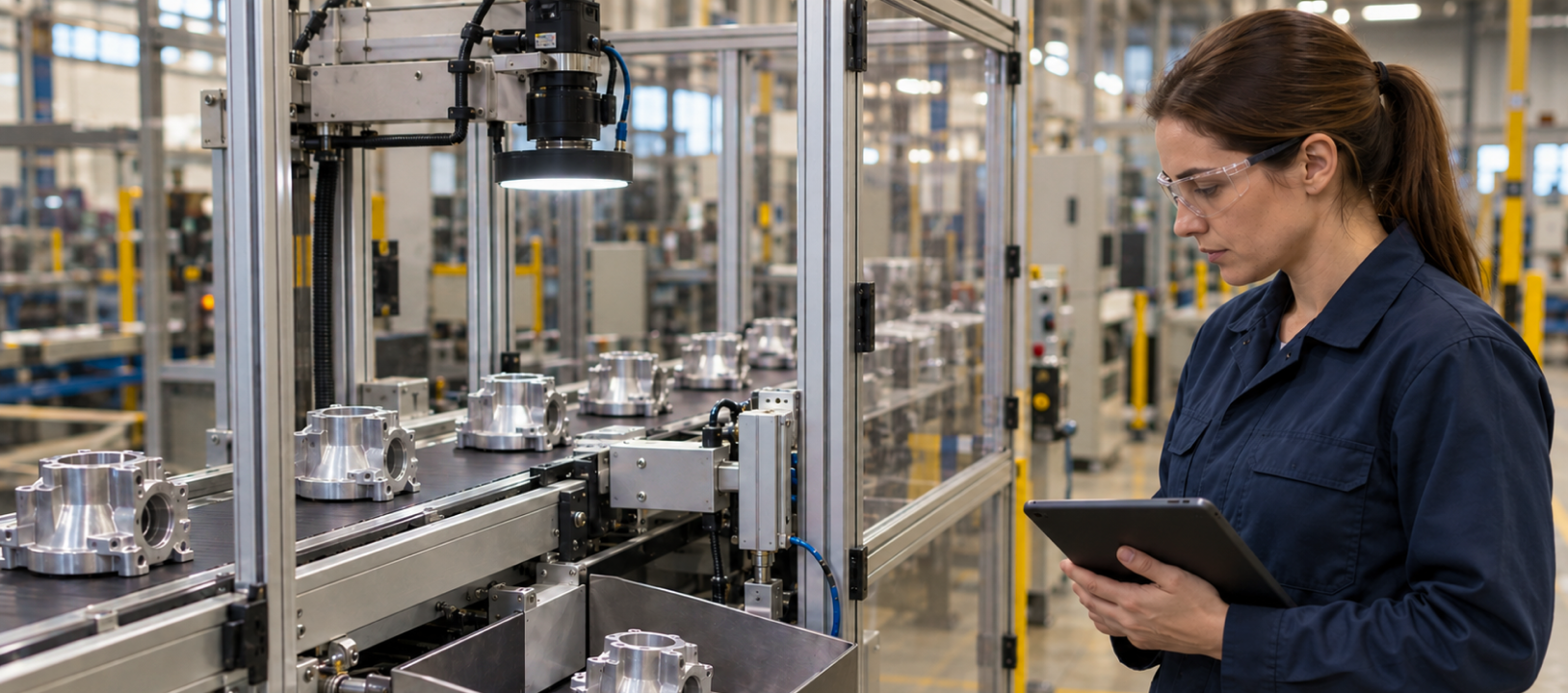
A machine vision model only knows what the camera shows, and manufacturing conditions rarely stay perfectly consistent. A new supplier may introduce a subtle change in surface finish. Lighting may shift, a fixture may move, a camera may be repositioned, or contamination may affect the lens. Even a new product variant can change the visual characteristics of the parts being inspected. The model hasn’t changed, but the world it’s looking at has.
Any of these can change the images reaching a computer vision inspection system without the model itself changing at all.
What people get wrong about model drift
One of the easiest mistakes is treating a higher reject rate as evidence of declining model performance.
It isn’t.
If the reject rate moves from 3% to 10%, we know something happened. We don’t yet know whether there are more actual defects, more false rejects, or simply a new production condition the system hasn’t encountered before.
That’s an important distinction. The wrong diagnosis leads to the wrong engineering response.
Retraining a model because a camera moved doesn’t solve the camera problem. Adjusting defect-detection thresholds because material characteristics changed may hide something the quality team actually needs to understand.
Sometimes machine vision model drift is the problem, and retraining is exactly the right answer. But we want the evidence to get us there first.
How Softarex approaches AI inspection
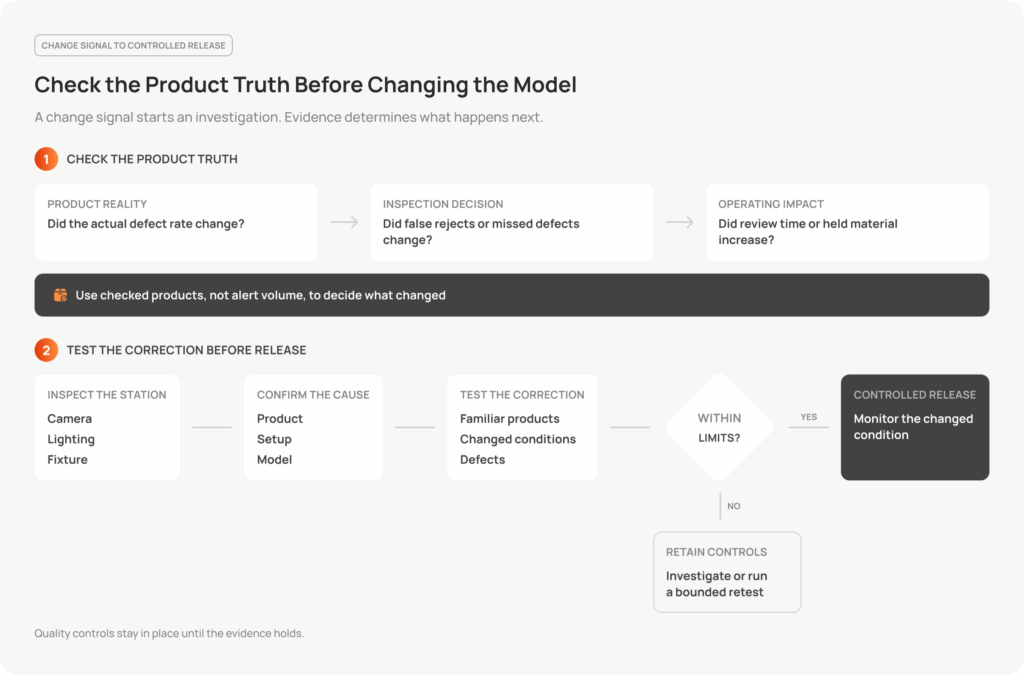
Our approach is to find the source of the change before prescribing the solution.
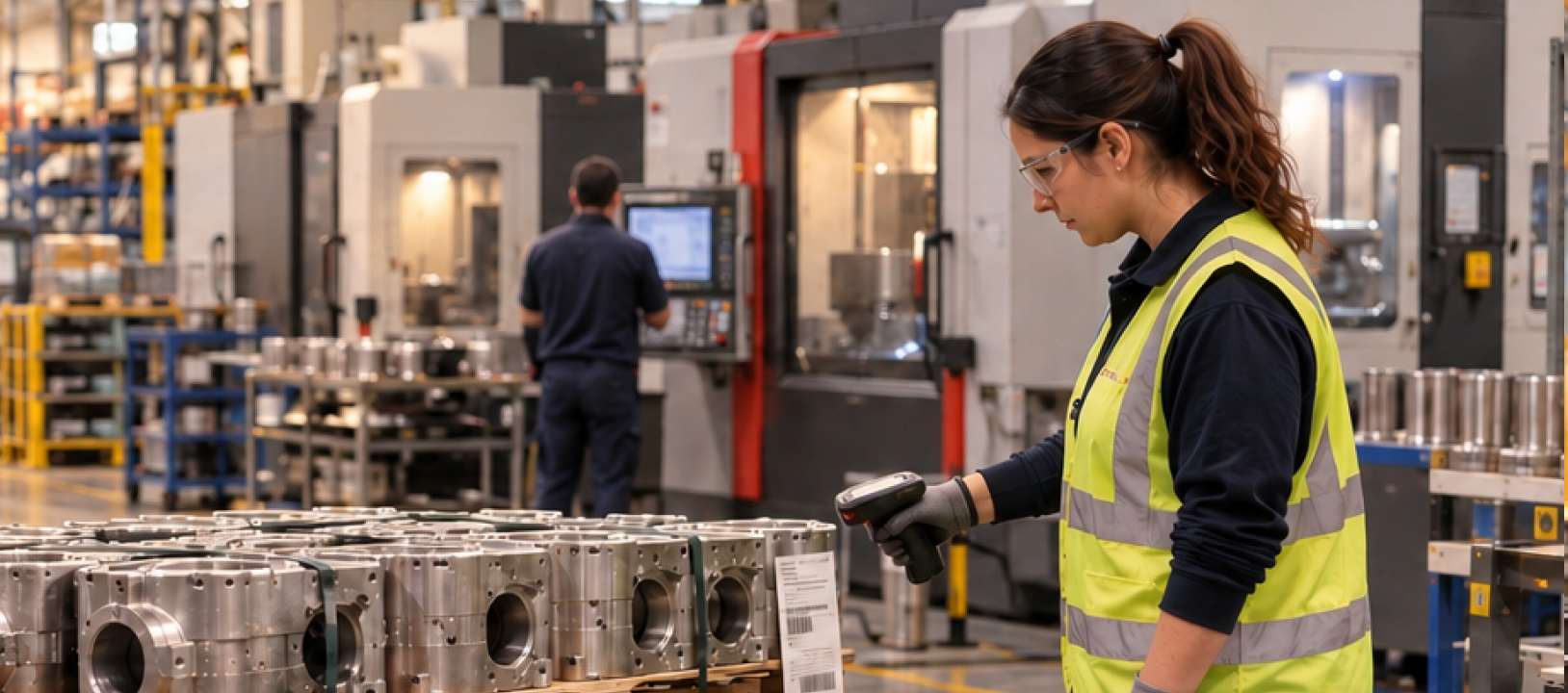
We look across the entire machine vision inspection system: product, supplier or batch, camera and lighting conditions, image acquisition, model version, defect-detection results, operator review, and final quality determination.
That traceability allows engineers to move from:
“The system is rejecting more parts.”
to:
“This is what changed, this is why it matters, and this is what we should correct.”
It’s why our manufacturing engineering work treats machine vision as a production system rather than an isolated AI model.
We applied the same systems thinking in our AI-enabled ultrasonic inspection work for bearing rings, where different geometries, materials, and surface conditions had to coexist with traceable scans and expert review.
The technology changes from project to project, but our engineering principle doesn’t:
Don’t start with the assumed solution. Establish the cause first.
Sometimes the answer is model drift. Sometimes it’s the camera, material, process, or production environment.
Finding that difference and fixing the right problem is where the real engineering work begins.
If your automated inspection system is producing unexplained changes in reject rates or defect detection, the Softarex manufacturing engineering team can help determine whether the problem lies in the AI model, imaging environment, or production process.