





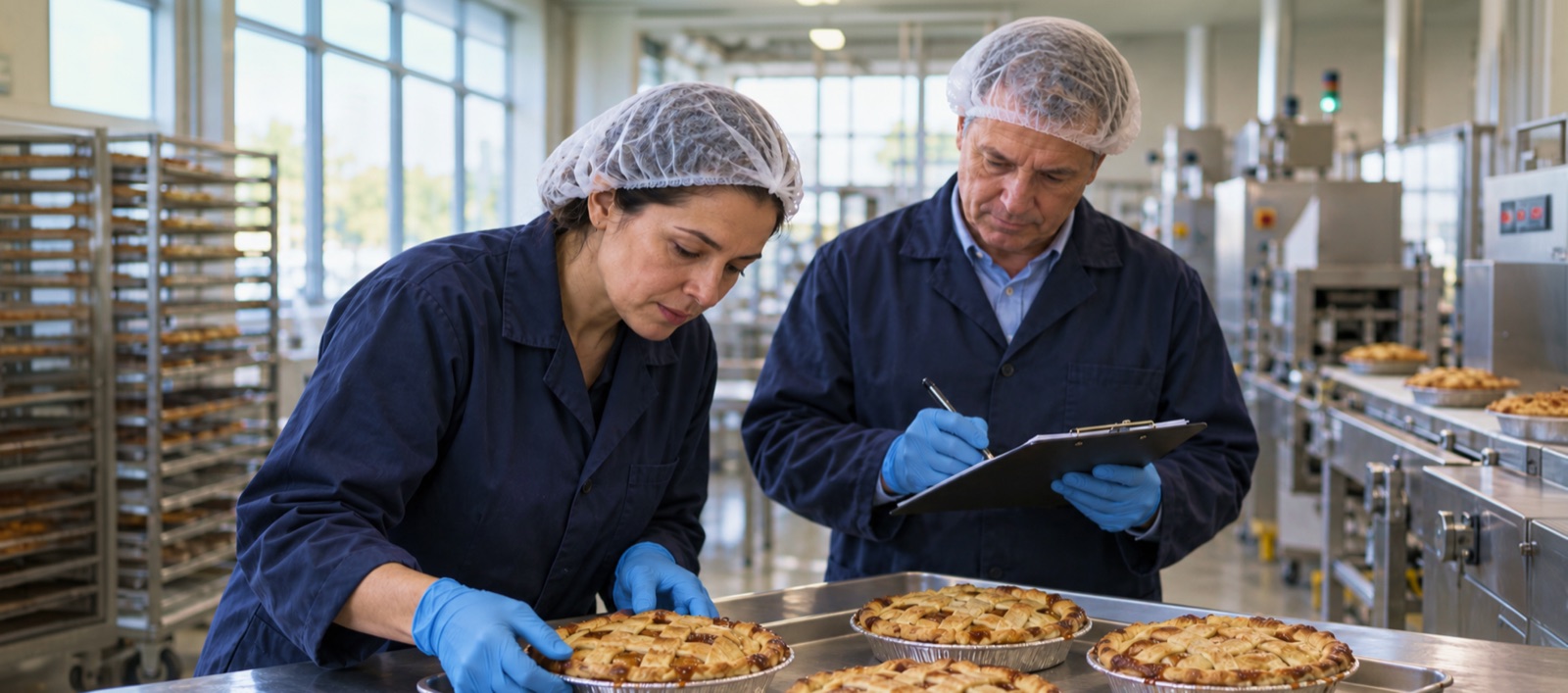


The first batch of apple pies comes off the line at a new factory, and everything looks right. The pies pass inspection, and as far as the sales team is concerned, next month’s orders might as well move to the new plant tomorrow.
Then daily production gets going, and operators keep stopping the line to adjust the filling machine. The pies still meet quality standards, but each stop takes time. By the shipping deadline, fewer boxes are ready than the team expected.
That first batch was a success. Making it every day is proving harder.
During production ramp-up, the plant manager needs to know how much the factory can deliver on time, day after day.
At Softarex, we develop solutions that link operator adjustments, machine downtime, and quality results for each batch. In this pie-factory example, engineers could open a dashboard to review the recorded reasons for stops, see what operators changed, and check whether the pies passed inspection, without piecing the story together from paper reports.
A good batch can hide operational problems
A quality check tells you whether the pies meet requirements. A production count tells you how many were made. To plan customer orders, you also need to know how much time and labor each batch required.
Two batches might produce the same number of acceptable pies. One finishes on schedule with few interruptions. The other takes repeated stops and extra labor to get there. Assuming both runs take the same amount of time could leave the plant with more orders than it can finish on schedule.
For the stores waiting on those orders, a late delivery can mean empty gaps on the shelves.
The recipe explains how to make the pie. The new factory still has to show that its machines and operators can keep making it reliably within the time available each shift.
See what each batch took to produce
When machine settings, stops, adjustments, and quality results are linked to the same batch, engineers can compare runs and look for patterns.
Are the stops tied to a particular batch of ingredients? Does one machine setup need more adjustments? What changed between a run that went smoothly and one that kept stopping?
Those patterns give engineers somewhere to start investigating. Operations can use the findings to allow more time in the schedule or start with fewer orders. After engineers make a correction, further test runs can show whether it helped.
If equipment breaks down, the same records give maintenance and operations a shared starting point. They can investigate the cause, test possible fixes, and check whether production stays stable afterward.
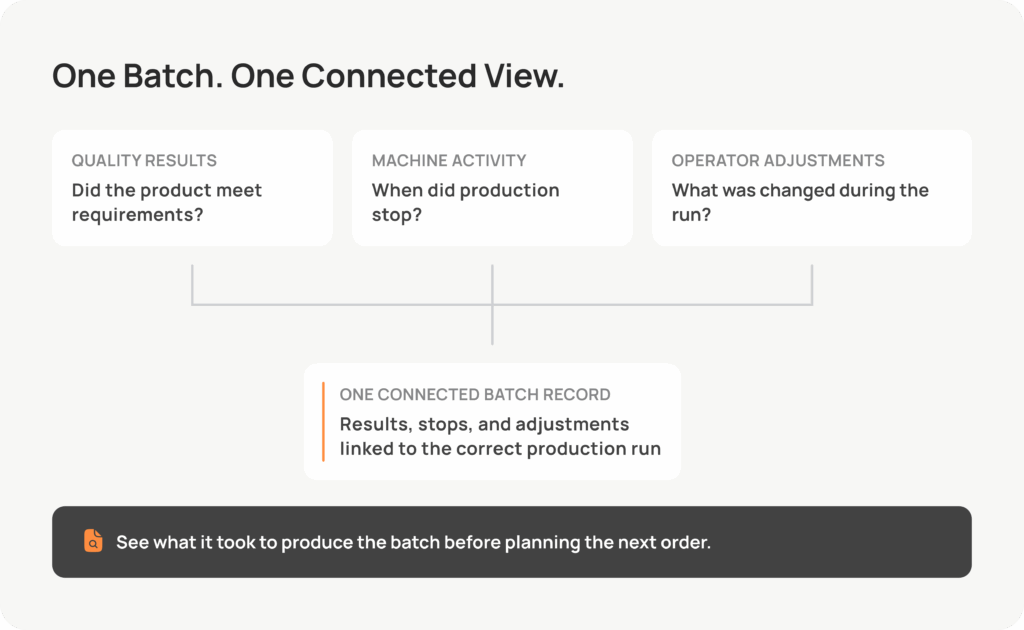
caption: Quality results, machine stops, and operator adjustments linked to the same batch show what it took to produce it.
Move the orders the plant can handle
How much of next month’s volume can the new plant take on?
Use the production times from repeated runs to build a schedule that includes cleaning and changeovers, with time for quality checks before shipment.
If that schedule supports only part of the volume, start there. Move more orders once further runs show the plant can handle them.
Sales may be ready to move everything tomorrow. Operations needs a schedule it can actually keep.
Request a Manufacturing Systems Assessment with Softarex to find where production time is lost and set up targeted testing before committing to larger customer orders.