







Six four-minute stops add up to 24 minutes of stopped time in a shift. Repeat that pattern over two daily shifts and 250 operating days, and the total reaches 200 hours a year. This is an illustrative calculation, not a measured plant result.
Production downtime analysis connects these interruptions to the orders running at the time. Overall equipment effectiveness (OEE) summarizes availability, performance, and quality, but the score alone may not explain which events caused the decline or which orders were affected.[1]
Whether stopped time reduces output or delays dispatch depends on the line constraint, buffers, and recovery capacity.
Small interruptions can leave an incomplete record
Major failures usually leave a clear trail: a machine stops, an alarm appears, and maintenance receives a work order.
Short interruptions can be harder to reconstruct. An operator may clear a jam or correct a material feed problem before anyone records it.
Running in a slow speed creates a different type of loss. Estimate its effect from the gap between expected and actual output rather than treating the entire period as a complete stop. How these events affect OEE depends on the plant’s stop-duration thresholds and measurement rules.[2]
Translate lost time into business impact
For a complete line stop during planned production, multiply stopped time by the expected good unit rate to estimate output exposure.
At an assumed 120 acceptable units per minute, a four minute stop represents 480 units. Six separate stops represent 2,880 units of theoretical exposure before recovery. For an individual machine stop, first check whether it interrupted output at the line’s constraint.
That exposure does not automatically become a financial loss or delivery delay. Buffers, spare capacity, or later production may reduce the effect on an order. Assess overtime, additional labor, scrap, rework, and scheduling consequences separately to avoid counting the same loss twice.
Six simulated four-minute stops add up to 24 minutes of production downtime.
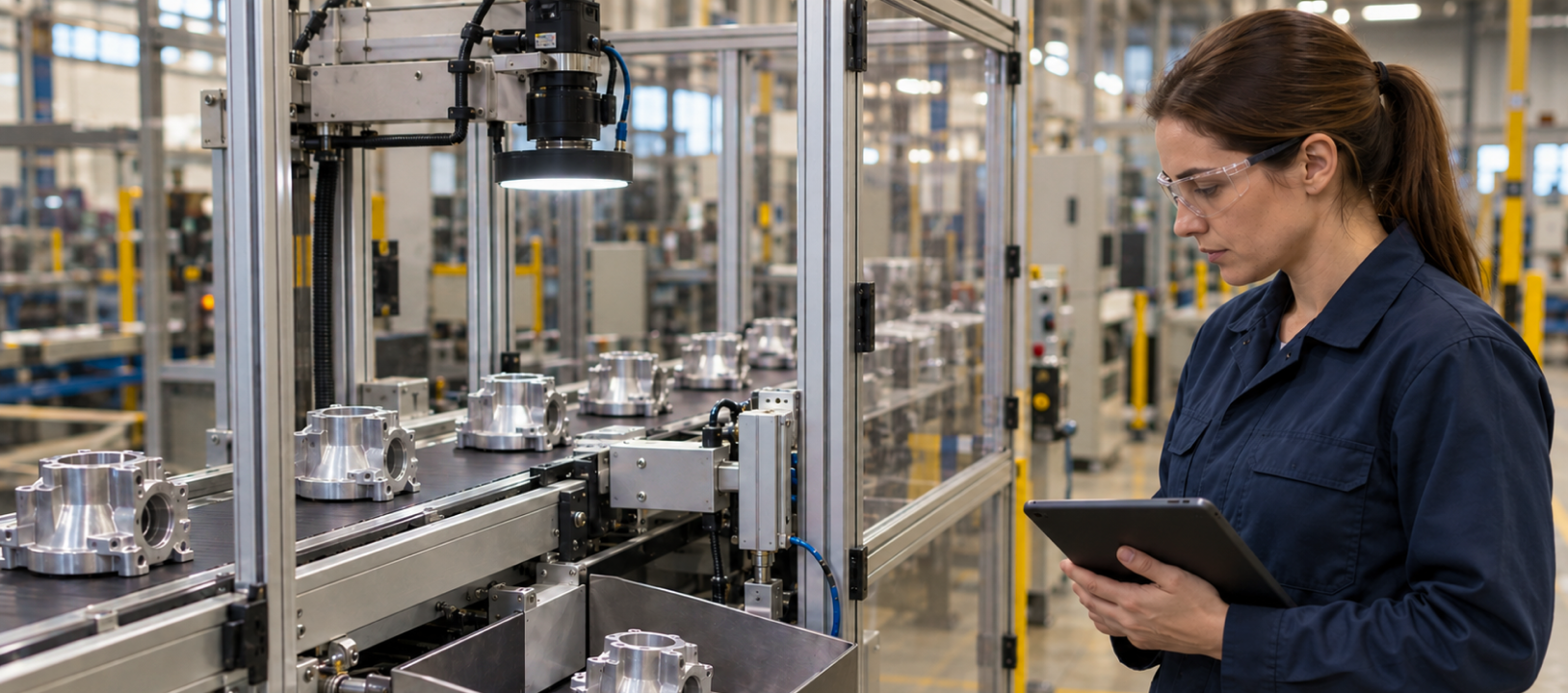
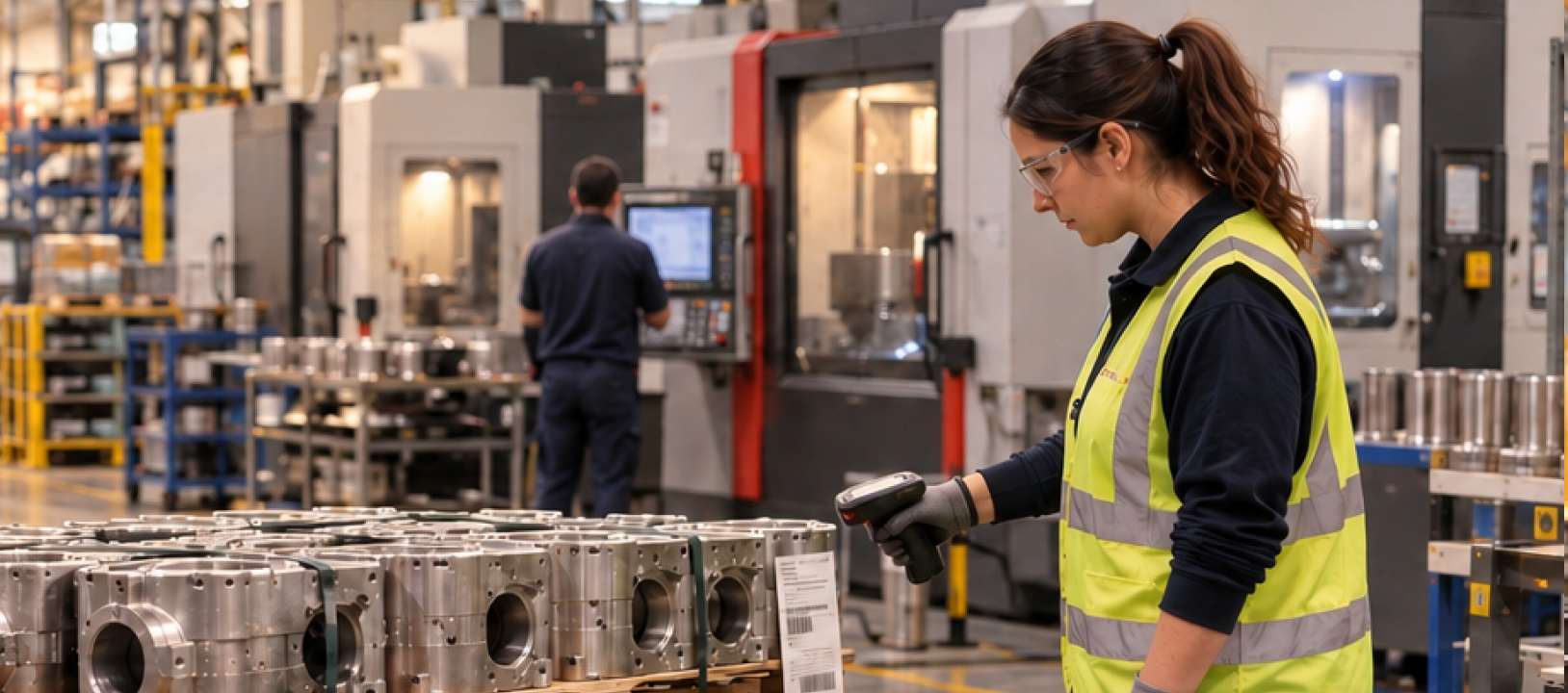
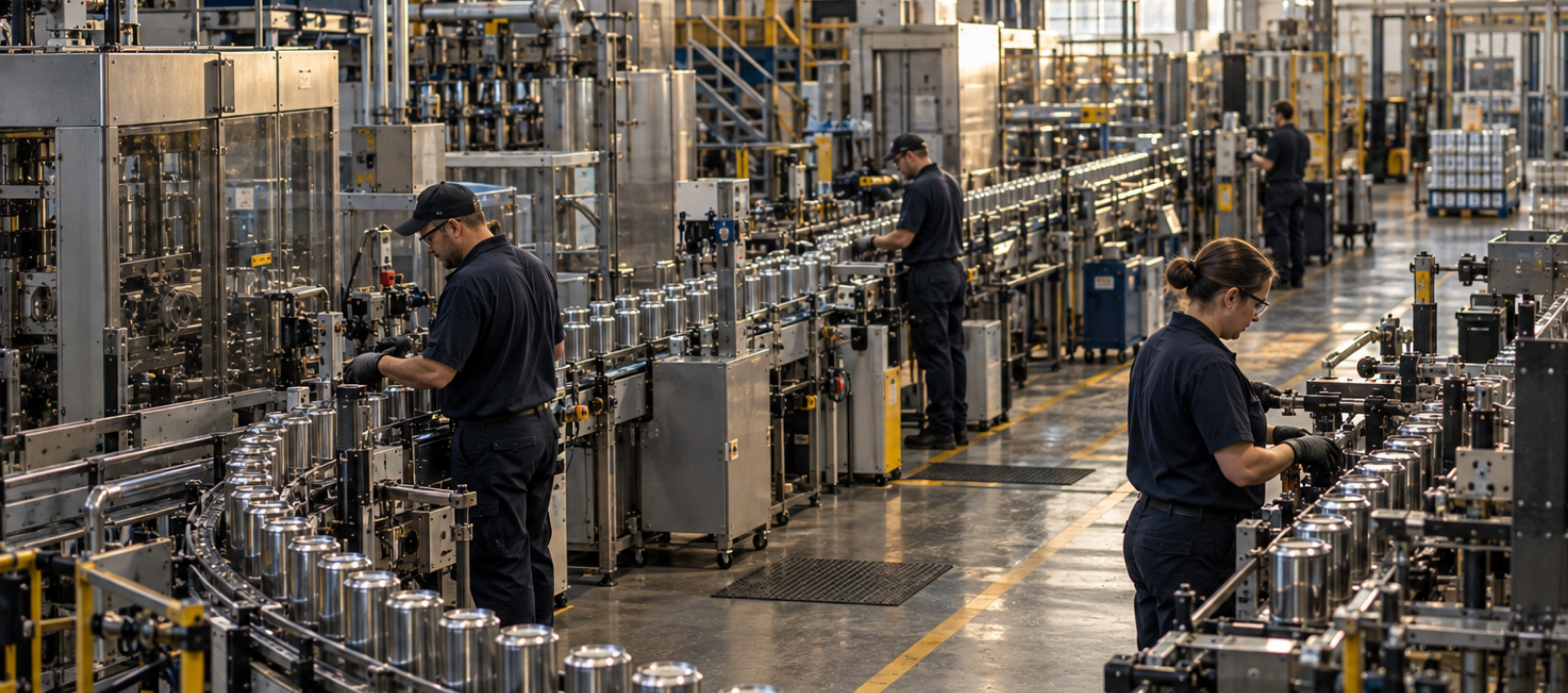
Disclaimer: Real production footage is used for illustration. The interruptions and schedule are simulated, and time is compressed for the demo. The example assumes no recovery of lost time and no change to other processing times. It illustrates the risk of missing the dispatch window, not an actual missed delivery.
Connect OEE to specific events
To investigate a decline, teams need to know when and where an event occurred, how long it lasted, whether it recurred, and which order was running. A useful production event record may include:
- Start and end times, duration, and equipment or line
- Product, batch, production order, and expected versus actual rates
- Machine states, sensor readings, camera clips, and operator observations
- Recovery time, estimated lost output, and maintenance actions
Start with the evidence needed to distinguish an isolated interruption from a recurring pattern.
Softarex manufacturing systems can help connect information from machines, controllers, sensors, cameras, operators, and business systems, including production, planning, and maintenance platforms. The approach begins with existing systems and data. Any additional interfaces or equipment changes depend on the investigation.
Start with one recurring problem
Machine signals, video, order data, and operator observations can narrow an investigation, but engineers must still confirm the root cause. Begin with one recurring event on one line and the information your plant already collects.
Production downtime analysis is useful only when the event record helps the team decide what to investigate next.
If yesterday’s OEE declined, could your team identify the events responsible and estimate their effect on production orders?
For the technical approach to capturing these events, read our production line monitoring guide.
Softarex can review the recurring problem, assess the available information, and help identify a practical starting point.
Request a Manufacturing Systems Assessment
Sources
[1] Vorne, OEE Factors: Availability, Performance, and Quality